The Allianz Group is one of the world’s leading insurers and asset managers, active in almost 70 countries and serving around 97 million private and corporate customers*. Allianz customers benefit from a broad range of personal and corporate insurance services, ranging from property, life and health insurance to assistance services to credit insurance and global business insurance. Allianz is one of the world’s largest investors, managing around 764 billion euros** on behalf of its insurance customers. Furthermore, our asset managers PIMCO and Allianz Global Investors manage about 2.0 trillion euros** of third-party assets. Thanks to our systematic integration of ecological and social criteria in our business processes and investment decisions, we are among the leaders in the insurance industry in the Dow Jones Sustainability Index. In 2025, over 156,000 employees achieved total business volume of 186.9 billion euros and an operating profit of 17.4 billion euros for the Group.

Climate Change Trade-Offs:
What does it take to keep our world insurable?
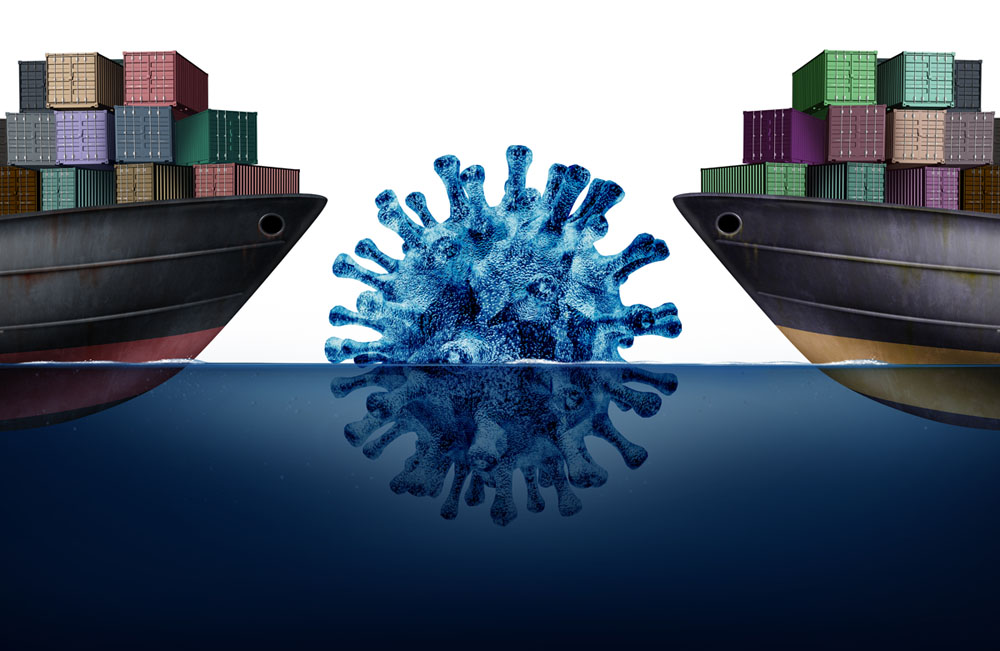
The insurance sector is intimately familiar with risk, yet the nature of risk is constantly evolving. From everyday occurrences like car accidents to global events like the COVID-19 pandemic, we are all exposed to various risks. The pandemic underscored the impact of systemic risks that affect everyone, revealing a harsh truth: some risks are now so great that they exceed the capacity of insurers.
The climate crisis exemplifies challenges. A newly published Allianz Research report indicates that the frequency of extreme weather events is raising concerns about insurance's availability and affordability. More than half of those surveyed by the Geneva Association, for example, worry about future insurance accessibility, fearing that it may become prohibitively expensive or even unavailable.
This trend toward higher-risk scenarios, as highlighted by Allianz researchers, poses a significant question: Are we moving toward an uninsurable future? Frequent events such as heatwaves and floods, along with their unpredictable impacts, strain traditional insurance models.
However, Allianz researchers believe compromises can be found. They analyzed 9 crucial life aspects to outline necessary tradeoffs and propose solutions.
For individuals, changes are needed in consumption, lifestyle, living spaces, and savings. These include:
- Consumption: Eliminating the green premium for climate-friendly products through increased carbon pricing.
- Lifestyle: Influencing behavior through pricing, nudges, and providing adequate infrastructure like public transport and climate-impact information.
- Living spaces: Setting risk-appropriate prices to encourage risk prevention and adaptation.
- Savings: Promoting long-term savings through tax breaks and subsidies.
Businesses face similar challenges and need public support and incentives in various areas:
- Borrowing: Reducing investment uncertainties through tools like contracts of difference.
- Green investments: Making eco-friendly investments profitable and scalable through subsidies.
- Employees: Addressing climate-related challenges through innovative unemployment schemes.
- Supply chains: Transitioning to sustainable and secure supply chains through holistic risk management.
- Materials: Advancing a true circular economy by introducing quotas to offset cost concerns.
While transitioning to a decarbonized economy involves challenges, it ultimately promises a more prosperous future. Exigent action is vital to avoid a climate policy backlash and to bolster our collective ability to address climate change effectively.
Discover how these 9 "moments of life" can shape a sustainable future here.
About Allianz
* Customer count reflects Allianz customers in consolidated entities that are part of the customer reporting scope only.
** As of December 31, 2025.